
News & Stories · July 2026
Community Gardens: Fresh Food, Friendship, and Creativity
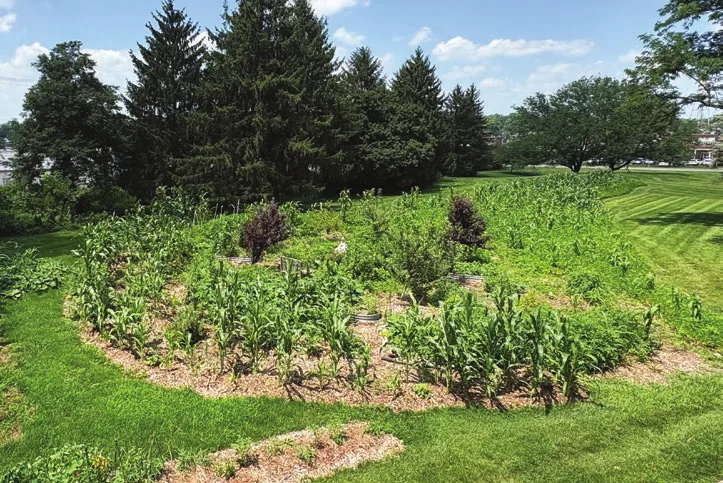
The Catholic Charities of Lexington Community Agriculture Program establishes community gardens across Central and Eastern Kentucky. The goal is to address food insecurity, strengthen communities, and promote environmental stewardship.
Rooted in the principles of Laudato Sí, the program recognizes the connection between care for people and care for creation, using regenerative gardening practices to support both. Emphasizing practices such as soil restoration, composting, and sustainable cultivation methods, we can enhance soil health, support biodiversity, and reduce environmental impact, while fostering a deeper understanding of stewardship.
Kentucky ranks as the seventh most food-insecure state in the nation, with low-income families and vulnerable populations disproportionately affected. In Central and Eastern Kentucky, many counties rank among the most food-insecure in the United States, where limited access to fresh, nutritious food contributes to poor health and ongoing economic instability.
In response, the program partners with parishes, refugee groups, and community organizations to establish sustainable gardens tailored to local needs. Catholic Charities provides start-up resources, training, and technical support, while partners contribute land and volunteer capacity, ensuring strong local ownership and long-term viability.
The program expands its reach each year. In 2025, Catholic Charities helped launch six community gardens. One of those gardens, the BCF Cultivating Community Garden in Grayson, reported to us: “The garden has grown into a vibrant, welcoming space where fresh food, friendship, and creativity thrive side by side. In just our first six months, we have served 100–150 community members — from local families to out-of-town travelers — all enjoying the fruits (and vegetables) of our labor. The garden’s design and charm have made it visually appealing, drawing attention from passersby and earning many compliments from visitors. Cory Banta from Catholic Charities shared some very useful information that was helpful in planning the community garden, and a friend was made along the way.”
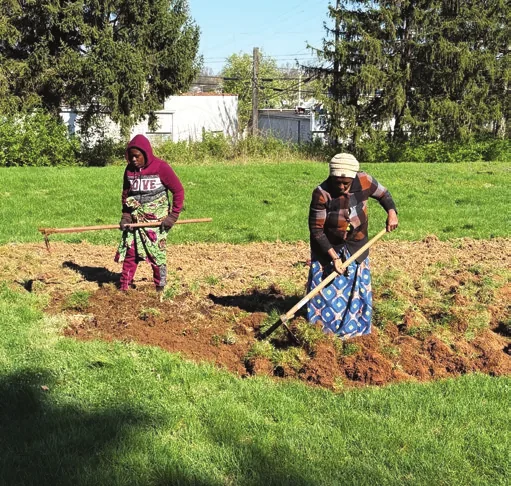
This year, with support from a St. Joseph CommonSpirit grant, five additional gardens have been established. The program also repurposed its educational garden at the Catholic Center into a community garden, creating dedicated plots for Congolese women from St. Peter Claver Catholic Church and participants from a support group through Kentucky Refugee Ministries. To ensure accessibility and cultural relevance for these women, the program provides culturally appropriate seeds, enabling participants to grow foods that reflect their traditions and needs.
Beyond food production, the gardens serve as spaces for skill-building, connection, and well-being. Participants learn how to grow and prepare fresh food, reduce household expenses, and, in some cases, generate supplemental income through the sale of produce. Gardening also promotes physical activity, time outdoors, and social interaction, contributing to improved mental health and stronger community ties.
Designed for sustainability, the program includes ongoing support and seasonal follow-up to help gardens adapt and grow over time. By equipping communities with the tools, knowledge, and resources to cultivate their own food, the Community Agriculture Program creates lasting impact — improving access to nutrition, strengthening resilience, and promoting environmental responsibility across Central and Eastern Kentucky.
Dr. Shelli Gregory is the Executive Director of Catholic Charities of Lexington. This story originally appeared in the July/August 2026 issue of Cross Roads.